



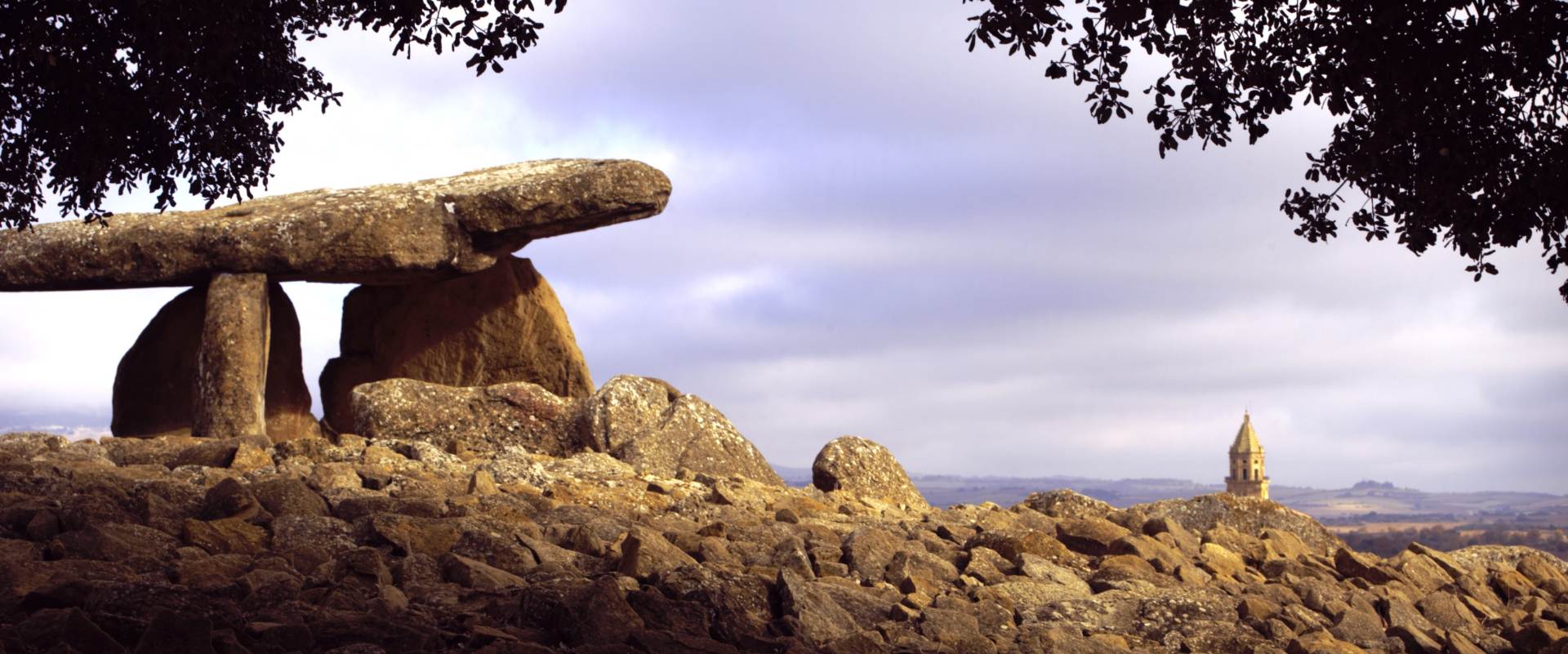
Neolithic and Chalcolithic in the Iberian Peninsula
Neolithic and Chalcolithic in the Iberian Peninsula
Archaeology, Megaliths and Ancient Civilizations
Why the Iberian Peninsula is one of Europe’s most important prehistoric regions
The Iberian Peninsula is one of the most remarkable regions in Europe for understanding the development of prehistoric societies. Few places on the continent preserve such an extraordinary concentration of archaeological sites spanning from the earliest human occupations to the emergence of complex Copper Age civilizations.
For thousands of years, the territory that today forms Spain and Portugal served as a crossroads of cultures, technologies, and ideas. The peninsula witnessed the transition from hunter-gatherer communities to agricultural societies, the rise of megalithic architecture, the beginnings of metallurgy, and the formation of some of Western Europe’s earliest socially organized settlements.
One of the most important archaeological discoveries in the world can be found at Atapuerca, a UNESCO World Heritage Site. This exceptional site has yielded some of the oldest human remains ever discovered in Europe, providing invaluable evidence about human evolution and the first inhabitants of the continent.
Further south, Los Millares in Almería represents one of the most sophisticated Copper Age settlements in Europe. Protected by multiple defensive walls and towers, this remarkable site demonstrates the emergence of social complexity, organized communities, long-distance trade networks, and advanced metallurgical practices more than 4,000 years ago.
The spectacular Antequera Dolmens in Andalusia are among the finest examples of megalithic architecture in the world. Built thousands of years before the Roman Empire, these monumental structures reveal an extraordinary understanding of engineering, landscape planning, and symbolic relationships between architecture and the natural environment. Their alignment with nearby mountains and natural landmarks continues to fascinate archaeologists and researchers today.
Near Seville, the archaeological complex of Valencina de la Concepción and the extraordinary Montelirio Tholos provide evidence of one of the largest Copper Age settlements in Europe. Excavations have uncovered elaborate burials, exotic materials imported from distant regions, and indications of social hierarchies that challenge previous assumptions about prehistoric societies in Western Europe.
The prehistoric richness of Iberia extends beyond Spain. In Portugal, the Côa Valley preserves one of the world’s largest concentrations of open-air Paleolithic rock art. Thousands of engravings carved into rock surfaces offer a unique glimpse into the symbolic world and artistic expression of prehistoric communities.
Nearby, the Almendres Cromlech, often compared to Stonehenge, stands as one of Europe’s most impressive megalithic monuments. This vast arrangement of standing stones dates back to the Neolithic period and demonstrates the sophisticated astronomical and ceremonial knowledge possessed by the region’s earliest farming societies.
Together, these sites form part of an extraordinary network of megalithic landscapes, sacred spaces, prehistoric settlements, burial monuments, and ceremonial centers that make the Iberian Peninsula one of the most important destinations in Europe for the study of prehistory.
For archaeologists, historians, students, and cultural travelers alike, the Neolithic and Chalcolithic heritage of Iberia offers a unique opportunity to explore the origins of agriculture, social organization, spirituality, monument building, and the earliest foundations of European civilization.
The Archaeological Wonders of the Copper Age
Discover the fascinating archaeological treasures of the Copper Age in Spain. With over 4,000 years of history, the Neolithic and Chalcolithic remains in the Iberian Peninsula are hidden gems for archaeology enthusiasts. Spain is a key destination for exploring the secrets of the earliest civilizations that once inhabited Western Europe.
The Transition from Neolithic to Chalcolithic: A Cultural Revolution
The Copper Age, or Chalcolithic, marks the beginning of metal use in the Iberian Peninsula, a technological breakthrough that transformed the lives of Neolithic peoples. Between 4000 BC and 2500 BC, this region saw the creation of fortified villages, megalithic monuments, and complex burial practices, all reflective of a society undergoing significant development.
The Neolithic period witnessed the establishment of the first agricultural communities, primarily settled in caves and fertile areas. In contrast, the Chalcolithic introduced copper tools and weapons, allowing these societies to improve their productivity and military capabilities.
Some Key Archaeological Sites of the Copper Age in Spain
If you’re passionate about archaeology, you can’t miss some of the most important Chalcolithic sites in the Iberian Peninsula. Our archaeological tours in Spain will take you to these must-see locations:
- Los Millares (Almería): Considered one of the most important settlements of the Copper Age, Los Millares is renowned for its defensive system of walls and towers. Here, you can also explore collective tombs that showcase the elaborate burial practices of the time.
- The Dolmen of Menga (Antequera, Málaga): This impressive megalithic monument, one of the largest in Europe, dates back to around 2500 BC. Its construction reveals advanced knowledge of architecture and astronomy. Its orientation towards the Peña de los Enamorados remains a mystery to archaeologists.
- La Pileta Cave (Málaga): Featuring cave paintings from the Neolithic and Chalcolithic periods, this cave is a visual treasure. The depictions of animals and human figures offer a glimpse into the art and religion of early cultures.
- The Tholos of Montelirio (Seville): Recently discovered, this funerary monument has revealed the remains of an elite ruling class. The artifacts found suggest a hierarchical society with links to other Mediterranean cultures.
The Cultural Impact of the Copper Age
The legacy of the Chalcolithic in the Iberian Peninsula extends beyond technological innovations. The introduction of copper allowed these societies to enhance their agricultural tools and weaponry, while also fostering trade with other regions, such as the Eastern Mediterranean.
The construction of large funerary monuments, like dolmens and tholoi, reflects advancements in architecture and the emerging social complexity of the time. Additionally, the religious and funerary practices of the Copper Age in the Iberian Peninsula suggest a belief in the afterlife and a concern for social status in the hereafter.
Spirituality and Religious Practices in the Neolithic and Chalcolithic
The spiritual life of the Neolithic and Chalcolithic peoples in the Iberian Peninsula is one of the most intriguing aspects of these periods. Archaeological evidence suggests a deep connection to the natural world, a reverence for the cycles of life and death, and the worship of ancestral spirits and natural elements.
In the Neolithic, spirituality was often intertwined with nature, as seen in the numerous cave paintings depicting animals, which may have held religious or shamanistic significance. Many of these paintings, found in caves such as La Pileta, are thought to represent hunting rituals or invocations of fertility, aligning with the agricultural and pastoral lifestyle of the time.
As societies evolved into the Chalcolithic, their spiritual practices became more complex, and monumental burial sites began to emerge. The construction of dolmens and tholoi, large stone tombs, reveals a belief in the afterlife and the importance of commemorating the dead. These structures often align with significant celestial events, such as solstices, indicating an understanding of astronomy tied to their spiritual beliefs.
The burial goods found in these tombs, such as pottery, jewelry, and weapons, suggest that the dead were equipped for a journey to the afterlife, reinforcing the idea that these societies placed great emphasis on preparing for the next world. Elites were buried with more elaborate items, hinting at a connection between power, status, and spirituality.
Experience History on our Archaeological Tours
For those who want to dive into the past and walk in the footsteps of ancient civilizations, our Archaeological trips in Spain offer a unique opportunity. You can experience firsthand the mysteries of the Copper Age and Neolithic while marveling at the Iberian landscape.
We invite you to immerse yourself in history, explore ancient settlements, and discover how our ancestors lived, worked, and worshipped. Each archaeological tour is designed to provide not only education but also an authentic and immersive experience in one of the most fascinating periods of human history.
Explore the Origins of European Civilization
The Neolithic and Chalcolithic periods transformed the Iberian Peninsula forever. They witnessed the emergence of agriculture, the construction of monumental megalithic structures, the development of metallurgy, and the appearance of increasingly complex societies that laid the foundations for later civilizations.
Today, Spain and Portugal preserve some of Europe’s most remarkable prehistoric archaeological sites, offering visitors a unique opportunity to travel thousands of years into the past and discover how our ancestors lived, worked, traded, worshipped, and understood the world around them.
For travelers, universities, archaeological associations, and history enthusiasts seeking a deeper understanding of European prehistory, exploring the Neolithic and Chalcolithic landscapes of Iberia is an unforgettable experience.
Learn more about our Archaeological Journey in Spain and discover the origins of civilization through the eyes of archaeologists, historians, and local experts.