




The mysteries of prehistory
The mysteries of prehistory in the Iberian Peninsula
Ancient Sites and Archaeological Discoveries
Why the Iberian Peninsula Is One of Europe’s Most Important Prehistoric Regions
The Iberian Peninsula is one of the richest prehistoric landscapes in Europe. For hundreds of thousands of years, this territory served as a crossroads for human migration, technological innovation, artistic expression, and spiritual development.
From the earliest human remains discovered at Atapuerca to the sophisticated megalithic monuments of Antequera and the extraordinary rock art of Altamira, Iberia preserves an unparalleled archaeological record that allows us to trace the evolution of humanity across millennia.
Few regions in Europe concentrate such a remarkable variety of prehistoric sites. The peninsula is home to some of the continent’s most important archaeological discoveries, including the UNESCO-listed Dolmens of Antequera, the Copper Age metropolis of Valencina de la Concepción, the fortified settlement of Los Millares, the open-air rock art of the Côa Valley, and the mysterious Almendres Cromlech, one of the oldest megalithic complexes in Europe.
Together, these sites reveal a fascinating story of human adaptation, creativity, spirituality, and social development that continues to intrigue archaeologists and visitors alike.
Atapuerca: Tracing the Origins of the First Europeans
Few archaeological sites have transformed our understanding of human evolution as profoundly as Atapuerca.
Located in northern Spain, Atapuerca has yielded some of the oldest human remains ever discovered in Europe, including fossils attributed to Homo antecessor, a species that lived approximately 850,000 years ago. These discoveries have provided invaluable insights into the arrival and evolution of the first Europeans.
The caves and excavation sites of Atapuerca offer an extraordinary glimpse into prehistoric life. Stone tools, animal remains, evidence of hunting activities, and traces of early human behavior allow researchers to reconstruct how our distant ancestors survived in a challenging environment.
Today, Atapuerca is recognized as one of the most important archaeological sites in the world and remains a fundamental reference point for understanding the origins of humanity in Europe.
Altamira and the Birth of Human Creativity
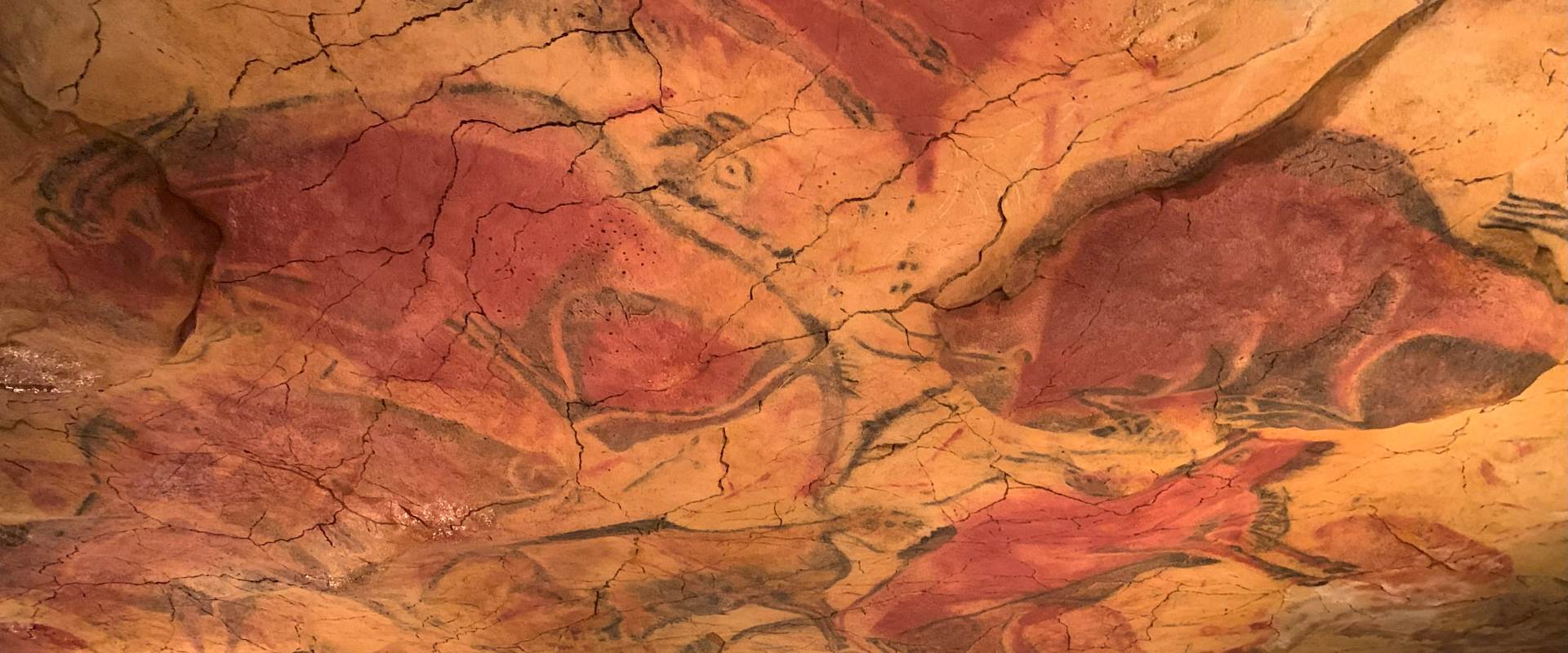
Known as the “Sistine Chapel of Prehistoric Art,” Altamira is one of the greatest artistic treasures of the Paleolithic world.
The magnificent paintings found inside the cave, particularly the famous bison rendered with astonishing realism and sophistication, demonstrate that prehistoric humans possessed remarkable artistic abilities and symbolic thinking.
Created more than 15,000 years ago, these artworks challenge outdated assumptions about early humans and reveal a society capable of abstract thought, creativity, and complex cultural expression.
Altamira remains one of the most powerful testimonies to the emergence of art in human history and continues to inspire archaeologists, artists, and visitors from around the globe.
The Dolmens of Antequera and the Secrets of Megalithic Builders
The Dolmens of Antequera are among the most impressive megalithic monuments in Europe and remain one of prehistory’s greatest enigmas.
Built over 5,000 years ago, these massive stone structures demonstrate an extraordinary level of engineering knowledge, social organization, and spiritual symbolism. The Dolmen of Menga, in particular, has puzzled researchers because of its unusual orientation toward the nearby mountain known as Peña de los Enamorados rather than toward the rising sun, as is common in many megalithic monuments.
The sheer scale of these constructions raises fascinating questions about the beliefs, rituals, and technical capabilities of the societies that built them. How were such enormous stones transported? Why were these locations selected? What ceremonies took place within these sacred spaces?
The answers continue to be explored by archaeologists today.
Los Millares: One of Europe’s First Fortified Settlements
Long before the rise of the great civilizations of the Mediterranean, the inhabitants of Los Millares were building one of Europe’s most advanced prehistoric communities.
Located in present-day Almería, Los Millares flourished during the Copper Age between approximately 3200 and 2200 BC. The settlement was protected by multiple defensive walls, watchtowers, and fortified gates, demonstrating an unprecedented level of social organization.
Its inhabitants developed metallurgy, long-distance trade networks, specialized crafts, and sophisticated funerary practices. Archaeological evidence suggests that Los Millares played a key role in the emergence of social complexity in prehistoric Europe.
For many researchers, the site represents one of the earliest examples of proto-urban development on the continent.
Ancient Rituals and Spirituality in Prehistoric Iberia
One of the most fascinating aspects of prehistoric Iberia is the rich spiritual world revealed through archaeology.
Megalithic tombs, ceremonial landscapes, cave paintings, engraved stones, and burial offerings all suggest that prehistoric communities maintained complex systems of belief connected to nature, ancestry, and the cosmos.
The construction of dolmens and tholoi indicates a profound concern for death and the afterlife. Many monuments appear aligned with astronomical events such as solstices and equinoxes, reflecting a sophisticated understanding of celestial cycles.
Sites such as Montelirio, Valencina de la Concepción, and the Antequera Dolmens reveal evidence of elaborate funerary ceremonies and social hierarchies. The objects buried alongside the dead suggest that spiritual beliefs played a central role in shaping prehistoric societies.
Although much remains unknown, archaeology continues to uncover clues about the rituals, symbols, and sacred landscapes that defined life in prehistoric Iberia.
What Can we learn from the mysteries of Prehistory?
Prehistory is far more than a collection of ancient stones and forgotten settlements.
It tells the story of how human beings adapted to changing environments, developed new technologies, expressed themselves through art, and searched for meaning in the world around them.
The mysteries of prehistory remind us that many of the questions we ask today—about identity, community, spirituality, creativity, and our place in the universe—were already being explored thousands of years ago.
By studying these ancient societies, we gain valuable insight into the foundations of human civilization and a deeper appreciation of the shared journey that connects us all.
Explore Prehistoric Spain Through an Archaeological Journey
The prehistoric sites of Spain offer far more than a traditional cultural visit. They provide an opportunity to travel through time and experience some of the most important chapters in human history.
Our Archaeological Journey in Spain has been designed for universities, archaeological associations, cultural organizations, and travelers with a deep interest in history and archaeology. Accompanied by archaeologists, researchers, and specialists, participants gain privileged access to some of the most remarkable prehistoric sites in the Iberian Peninsula.
From Atapuerca and Altamira to Los Millares, Antequera, and the great megalithic landscapes of Spain and Portugal, each journey offers an immersive exploration of the origins of humanity.
The Greatest Unsolved Mysteries of Prehistoric Iberia
Despite decades of research, many questions about prehistoric Iberia remain unanswered.
Why Was the Dolmen of Menga Oriented Toward a Mountain?
Unlike most megalithic monuments, Menga appears to be aligned with the nearby Peña de los Enamorados. Was the mountain considered sacred? Did it represent a deity or ancestral figure?
Who Built the Megalithic Monuments of Iberia?
The construction of enormous stone monuments required knowledge, organization, and manpower. Yet we still know surprisingly little about the communities responsible for these extraordinary achievements.
What Was the Purpose of the Montelirio Tholos?
The spectacular tholos of Montelirio, near Seville, has yielded some of the richest prehistoric burials ever discovered in Europe. Was it the tomb of a ruling elite, a ceremonial center, or something entirely different?
Why Did the First Europeans Settle Atapuerca?
What attracted prehistoric populations to the caves and landscapes of Atapuerca for hundreds of thousands of years? Was it strategic location, climate, resources, or all three?
What Do the Paintings of Altamira Really Mean?
Were the animals depicted in Altamira connected to hunting rituals, religious ceremonies, myths, or forms of communication? Their true meaning remains one of the greatest mysteries in prehistoric art.
These unanswered questions are precisely what make the study of prehistory so fascinating. Each new discovery has the potential to transform our understanding of humanity’s distant past.