



Archaeological Journey in Spain:
Explore the Origins of Human Civilization
Step into the past with our exclusive Archaeological trip in Spain, where you’ll uncover the secrets of ancient civilizations that shaped history. From prehistoric monuments to Roman cities and medieval wonders, this journey will immerse you in the art, rituals, and lifestyles of forgotten cultures.
Discover the Past Like Never Before
Join us on a unique expedition to explore Spain’s most iconic archaeological sites and delve into its rich cultural heritage:
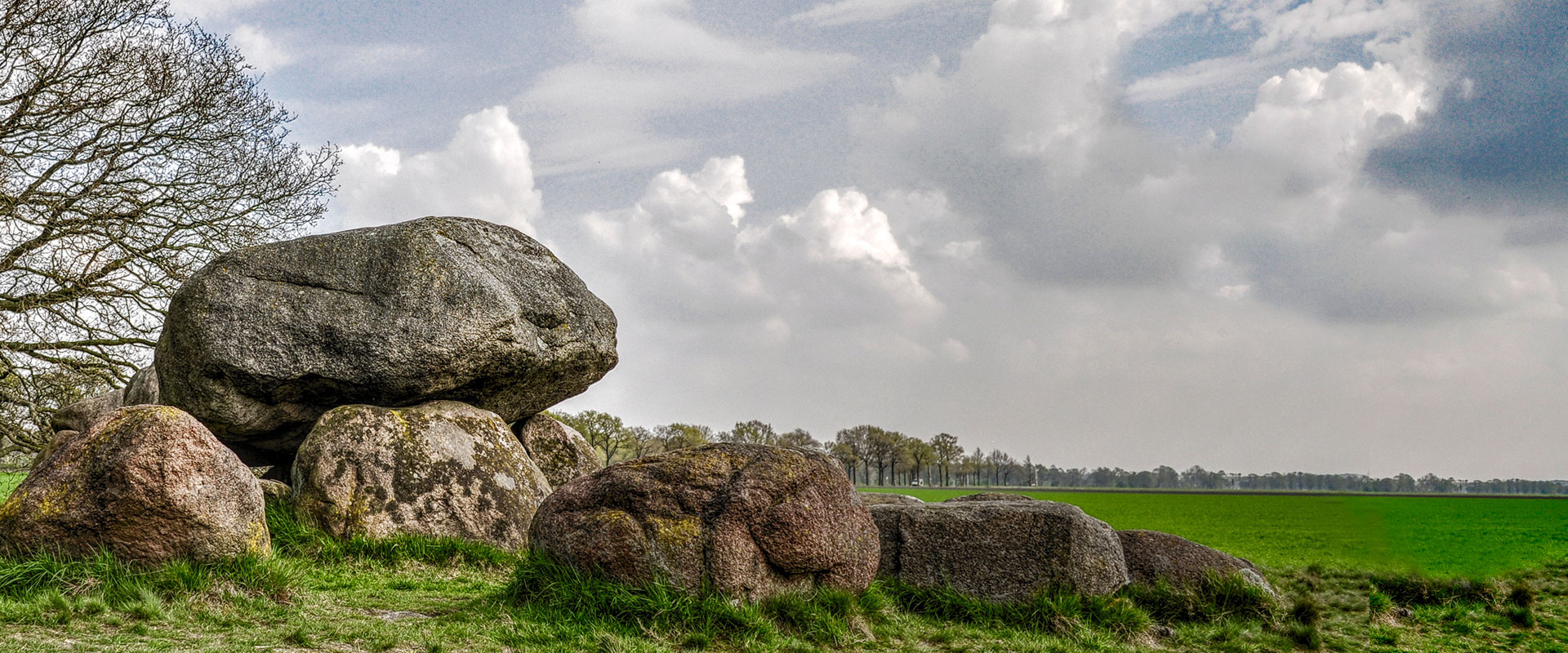
- Visit prehistoric dolmens, shedding light on humanity’s earliest days.
- Admire the ancient rock art of Spain’s cave systems.
- Discover the largest Neolithic Cromlech in Europe at Almendres, Portugal.
- Walk through the well-preserved Roman city of Emerita Augusta (modern-day Mérida).
- Marvel at Atapuerca, a UNESCO World Heritage Site and home to the oldest human remains in Europe.
Experience history like never before with exclusive access to archaeological sites often closed to the general public, guided by renowned archaeologists who bring the past to life.
Why Choose our Archaeological Journey in Spain?
Spain and Portugal offer one of the most extraordinary concentrations of archaeological sites in Europe, preserving evidence of more than a million years of human history. Our Archaeological Journey in Spain has been designed for travelers, universities, cultural associations, museums, and educational groups seeking a deeper understanding of the civilizations that shaped the Iberian Peninsula.
Unlike conventional cultural tours, this journey is led by archaeologists, researchers, and heritage specialists who provide expert insight into the discoveries, theories, and historical contexts behind each site. Participants gain access to exceptional archaeological locations, many of which are rarely visited by the general public, while enjoying a carefully curated travel experience that combines academic rigor, cultural enrichment, and premium service.
Every itinerary can be adapted to the interests of the group, allowing participants to explore specific historical periods, archaeological disciplines, or regions in greater depth.
A Journey Through the Origins of Humanity
This extraordinary journey invites participants to travel through more than 1.3 million years of human history, from the earliest hominins who inhabited Europe to the rise of complex civilizations and medieval societies.
As we move chronologically through different archaeological periods, participants will discover how early humans adapted to their environments, developed technology, created symbolic systems, built monuments, and established the foundations of modern civilization.
Through prehistoric caves, megalithic landscapes, Celtic settlements, Roman cities, Visigothic monuments, and medieval heritage sites, this journey offers a unique opportunity to understand the long and fascinating story of human evolution and cultural development.
Spain’s Most Important Archaeological Sites
The Iberian Peninsula contains some of Europe’s most significant archaeological sites, representing virtually every major stage of human history.
Our Archaeological Journey includes visits to internationally renowned locations such as Atapuerca, the prehistoric cave art sites of Cantabria and Asturias, Celtic settlements in Galicia, the Roman city of Emerita Augusta, Las Médulas, the Côa Valley Archaeological Park in Portugal, the Almendres Cromlech, and some of the most important dolmens and megalithic monuments in Western Europe.
Each site has been carefully selected for its archaeological significance, historical importance, and ability to provide a deeper understanding of humanity’s shared past.
Atapuerca and the First Europeans
Few archaeological discoveries have transformed our understanding of human evolution as profoundly as Atapuerca.
Recognized as a UNESCO World Heritage Site, the Atapuerca archaeological complex has yielded some of the oldest human remains ever discovered in Europe, including evidence of Homo antecessor and other hominin species that inhabited the continent hundreds of thousands of years ago.
Accompanied by expert archaeologists, participants will explore the significance of these discoveries and gain valuable insight into the lives, behaviors, and evolutionary development of Europe’s earliest inhabitants. Atapuerca provides an unparalleled opportunity to witness the origins of humanity on the continent.
Prehistoric Cave Art and the Birth of Creativity
Long before the invention of writing, early humans expressed their beliefs, observations, and imagination through art.
Northern Spain preserves some of the most remarkable examples of Paleolithic cave art in the world. Sites such as Tito Bustillo, El Pindal, and other prehistoric caves contain extraordinary paintings and engravings that offer a glimpse into the symbolic world of our ancestors.
These masterpieces represent some of humanity’s earliest artistic expressions and continue to fascinate archaeologists, historians, and visitors alike. Exploring these caves allows participants to better understand the origins of creativity, communication, spirituality, and human thought.
Megalithic Monuments, Dolmens and Ancient Ritual Landscapes
The Neolithic and Chalcolithic periods witnessed the construction of some of Europe’s most impressive prehistoric monuments.
Throughout the journey, participants will visit extraordinary megalithic sites including the Almendres Cromlech and the Anta Grande do Zambujeiro in Portugal, as well as remarkable dolmens and ceremonial landscapes throughout the Iberian Peninsula.
Many of these monuments predate the Egyptian pyramids and continue to raise fascinating questions about prehistoric beliefs, social organization, astronomy, and ritual practices. These ancient structures offer invaluable insight into the spiritual and cultural worlds of the first agricultural communities.
Roman Spain: From Emerita Augusta to Las Médulas
The Roman Empire left an enduring mark on the Iberian Peninsula, transforming its cities, economy, infrastructure, and culture.
Participants will explore Emerita Augusta, modern-day Mérida, one of the best-preserved Roman cities in Europe. Its theater, amphitheater, temples, bridges, baths, and archaeological museum provide an exceptional window into daily life in the Roman world.
The journey also includes a visit to Las Médulas, a UNESCO World Heritage Site and one of the largest Roman gold mining operations ever developed. Here, visitors can discover the extraordinary engineering techniques used by Roman engineers to reshape entire landscapes in pursuit of precious resources.
Experimental Archaeology and Exclusive Experiences
One of the most engaging aspects of our Archaeological Journey in Spain is the opportunity to experience history through direct participation.
Participants can take part in experimental archaeology workshops where they learn ancient techniques such as tool-making, fire-starting, prehistoric craftsmanship, and traditional survival skills. These hands-on experiences help bridge the gap between academic knowledge and practical understanding.
In addition, we organize exclusive meetings with archaeologists responsible for important excavations, private site visits, and behind-the-scenes access to archaeological projects. These unique opportunities allow participants to engage directly with the people who continue to uncover the secrets of the past.
Designed for Universities, Associations and Educational Groups
Our Archaeological Journey in Spain has been specifically developed for pre-formed groups interested in archaeology, anthropology, history, cultural heritage, and human evolution.
We regularly work with universities, museums, archaeological associations, educational institutions, cultural organizations, alumni groups, and lifelong learning programs seeking academically enriching travel experiences.
Each journey can be customized to reflect the group’s educational objectives, academic interests, and preferred historical periods. Through expert-led visits, workshops, lectures, and exclusive access opportunities, participants gain a deeper appreciation of the archaeological heritage of Spain and Portugal while enjoying an inspiring and memorable travel experience.